

A Beginner’s Guide to Cannabis Flower Strains and Labels
When comparing cannabis flower strains, start with the cannabinoid profile and batch information rather than a name or a promise about effects. “Sativa,” “indica,” and “hybrid” are common labels, but they do not provide a complete chemical description or guarantee a particular experience.
Availability note: Greatest Generations no longer sells cannabis flower. We are keeping this guide as an educational resource. You can view our current product selection for what we offer today.
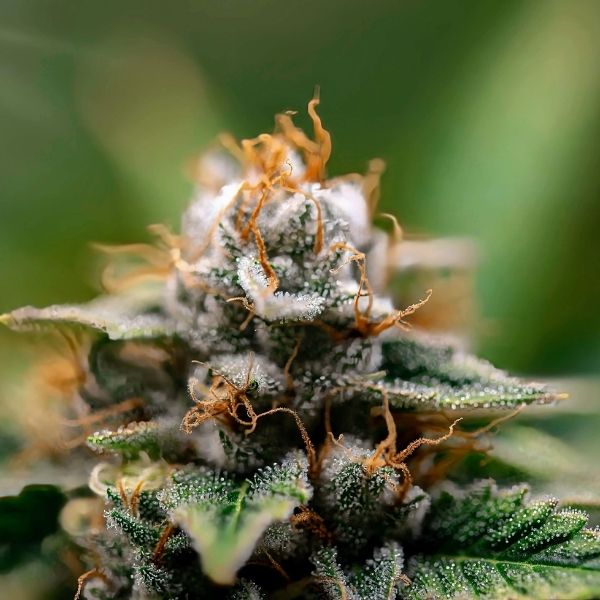
What do sativa, indica, and hybrid tell you?
These terms are often used to group flower varieties. Claims such as “sativa always energizes” or “indica always puts you to sleep” oversimplify a more complicated subject. A label is not a dependable prediction of an individual’s response.
A 2021 study in Nature Plants found that commercial sativa–indica labels poorly captured overall genetic and chemical variation in the samples studied. Some differences were associated with a small number of terpenes. This was a study of plant composition, not a clinical test proving how a strain affects people.
Use a strain name as a starting point for questions, then look for evidence tied to the specific batch.
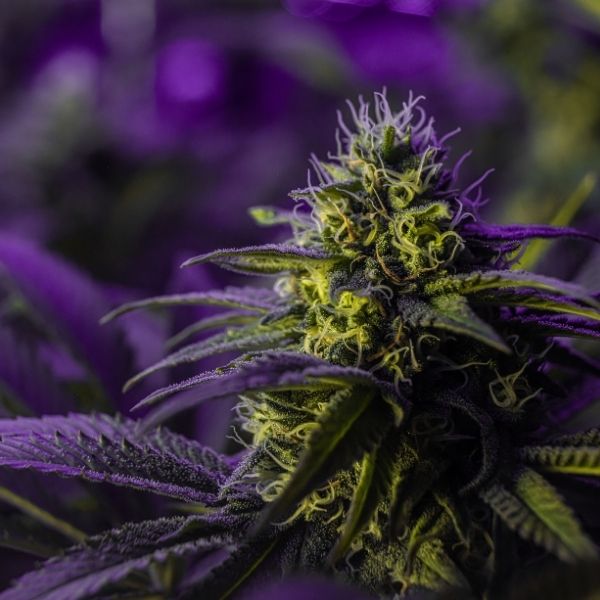
Cannabinoids: look beyond the largest percentage
THC and CBD are different cannabinoids. THC can cause intoxication; CBD does not typically produce the same high. Flower labels may also list acidic precursors such as THCA and CBDA. Heat can convert these precursors into THC and CBD, so the listed compounds and the way a product is used matter.
The National Academies’ overview of cannabis chemistry explains these distinctions. A high number is not proof that a product is better for a beginner or suited to a health concern. For more background, read our explanation of CBD, THC, and the endocannabinoid system.
Terpenes describe aroma, not a treatment plan
Terpenes contribute to the plant’s aroma. You may see names such as myrcene, limonene, and pinene in a report. Those names can help describe a chemical profile, but a citrus or earthy smell does not establish a medical benefit or a predictable mood change.
Research into interactions among cannabis compounds is ongoing. Do not turn a preliminary laboratory finding into a promise that a particular flower will relieve pain, improve sleep, or restore focus.
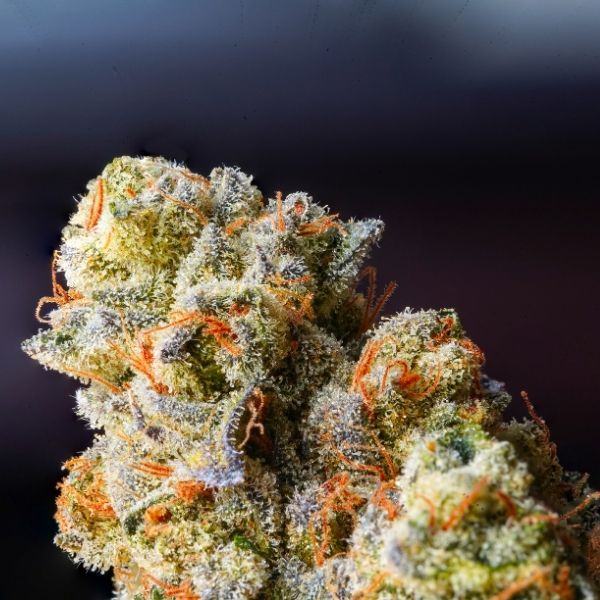
The resin-coated structures on flower are trichomes, not “terpene crystals.” These images illustrate flower and do not represent products currently sold by Greatest Generations.
A practical checklist for reading flower information
- Identify the batch. Make sure the package and report refer to the same product and lot.
- Read the cannabinoid results. Note which compounds are measured, the units, and whether the report distinguishes THCA from THC.
- Check the testing scope. Look for the collection or test date, laboratory identification, and which contaminant tests were actually performed. Do not assume every COA includes every test.
- Question effect claims. Ask whether they come from human research, plant analysis, or marketing.
- Consider personal health questions separately. A clinician or pharmacist can help with medication interactions and health concerns; a strain label cannot answer them.
For our current products, our certificate of analysis (COA) policy explains how to locate or request available reports. A COA describes test results, not medical effectiveness or universal safety. The NCCIH cannabis and cannabinoids overview provides additional information about evidence and risks.
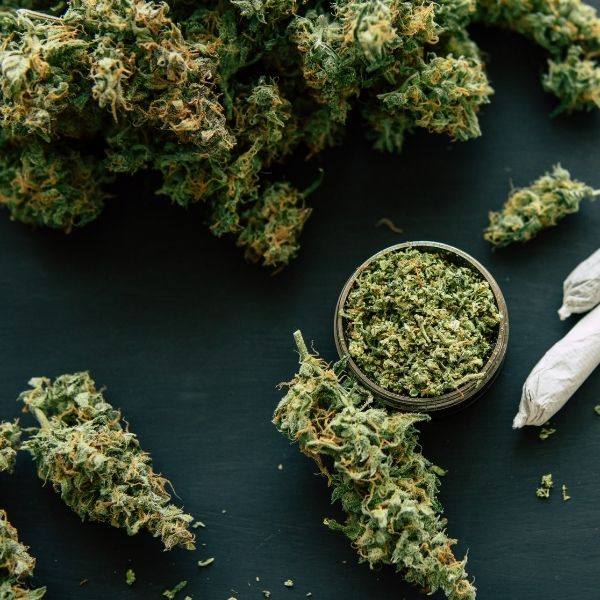
Questions beginners often ask
Can I choose a strain based only on its name?
A name alone does not establish the chemical composition of a specific batch or predict your response. Use the label and batch report to ask more precise questions.
Does a stronger aroma mean stronger effects?
Aroma is not a reliable measure of THC content or clinical effectiveness. Check the measured cannabinoid profile instead.
Can I buy flower from Greatest Generations?
No. Flower is discontinued at our store. For an educational comparison of other formats, see our THC drinks guide.
This guide provides general education, not a strain recommendation or personal medical advice.